Pour-Over Coffee for One: 12g V60 Recipes That Actually Work
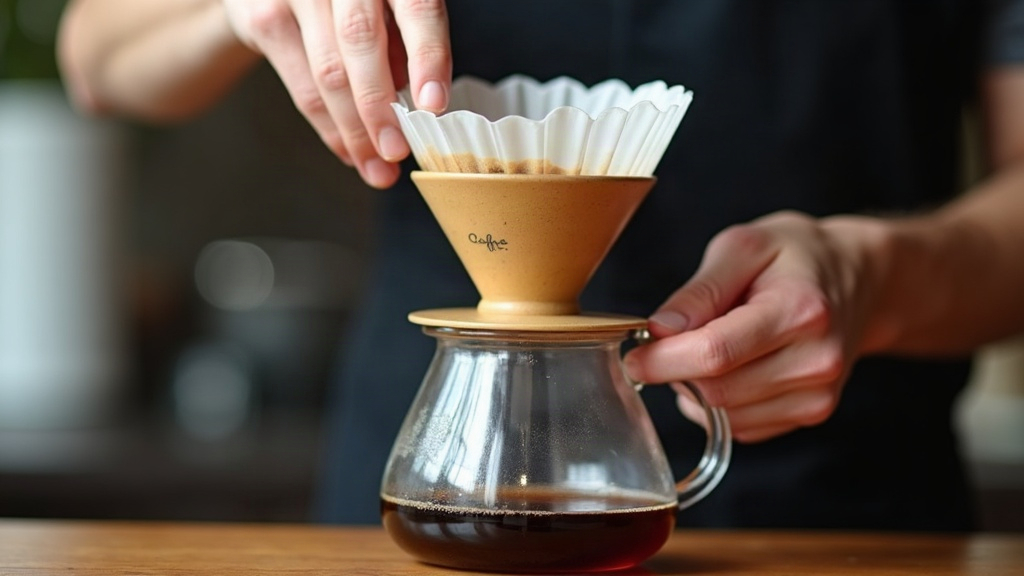
Brewing pour-over for just one person is trickier than it sounds. Most recipes online are written for 20 to 30 grams of coffee, and when you drop down to a realistic single-mug dose of 12 grams, everything shifts. Bloom times change. Pour rates change. Even grind size needs a second look. Here are three dependable 12-gram V60 recipes, the ratios behind them, and the small adjustments that actually matter once you’re working at this scale.
Why 12 Grams Is the Sweet Spot for One Cup
Twelve grams lands in a genuinely useful range. It’s enough to fill a full 180-220ml mug, but not so much that you’re stuck with half a pot going lukewarm on the counter. It also divides cleanly into the common ratios, 1:15, 1:16, 1:17, so you’re not fumbling with a calculator before your first sip of the day.
The catch with small doses is the coffee bed is shallow. Water races through it much faster than it would through a 30g bed, extraction gets less forgiving, and any sloppy pouring shows up immediately in the cup. At this size, technique carries more weight than it does with a bigger brew.
The Basic Math: Choosing Your Ratio
- 1:15 (12g coffee : 180g water) - Strong and bold. Works well with dark or medium-dark roasts.
- 1:16 (12g coffee : 192g water) - Balanced. The safest starting point if you’re unsure.
- 1:17 (12g coffee : 204g water) - Lighter and brighter, good for washed light roasts with fruity notes.
Weigh both the coffee and the water. Eyeballing 12 grams rarely works, since it’s roughly 2.5 tablespoons depending on how dense the beans are, and that margin of error matters a lot more at this scale than it would with a bigger dose.
Recipe 1: The Standard Single-Cup V60 (1:16)
Best for: medium roasts, everyday drinking
- Grind 12g of coffee to a medium-fine consistency, just a touch finer than table salt.
- Rinse the V60 filter with hot water to strip out the papery taste, then toss the rinse water.
- Add the grounds, level the bed, and place everything on the scale.
- Bloom with 30g of water at 195-205°F (90-96°C), swirl gently, and wait 30 to 40 seconds.
- Pour up to 100g using slow circles, easing off whenever the bed level starts dropping.
- Keep going until you hit 192g total, aiming to finish around the 2:00-2:15 mark.
- Let it drain fully. Total brew time should land near 2:30-2:45.
Recipe 2: The Bright Cup (1:17)
Best for: light roasts, floral or fruity single origins
- Grind a bit finer than in Recipe 1, since light roasts resist extraction more stubbornly.
- Bloom with 30g of water for 45 seconds. The longer bloom helps degas light roasts properly.
- Pour in two stages: up to 120g, pause for 15 seconds, then continue to 204g.
- Aim for a total drawdown of 2:45-3:00.
This one trades raw strength for clarity. Expect brighter acidity and more distinct flavor notes rather than a heavy, syrupy body.
Recipe 3: The Bold Morning Cup (1:15)
Best for: dark roasts, or anyone who wants something stronger and more syrupy
- Grind slightly coarser than in Recipe 1 to avoid bitterness, since dark roasts are already more porous and over-extract easily.
- Bloom with 24g of water for 30 seconds.
- Pour continuously from 24g up to 180g over roughly 60 seconds.
- Total brew time: 2:00-2:20. The shorter contact time keeps bitterness from taking over.
Common Mistakes at This Small Scale
- Pouring too fast. With only 12g of coffee in the dripper, an aggressive pour just channels water straight through the bed, leaving it under-extracted.
- Wrong grind size. A grinder dialed in for 20g+ batches often needs a slightly finer setting for 12g brews, since the smaller bed drains faster than you’d expect.
- Skipping the bloom. A 30g bloom matters even more in small-batch brewing, simply because it makes up a bigger percentage of your total water.
- Using a scale that rounds to whole grams. At this size, 0.1g of precision genuinely changes the cup. A cheap jewelry scale handles this fine.
Grind Size Cheat Sheet
| Roast Level | Grind Setting | Pour Style |
|---|---|---|
| Light | Medium-fine | Two-stage pour |
| Medium | Medium-fine | Slow circular pour |
| Dark | Medium | Single continuous pour |
Final Tips for Consistency
- Use filtered water. Minerals affect extraction even at small volumes, more than you’d think.
- Keep kettle temperature steady. A gooseneck kettle gives you much finer control over single-cup pours.
- When adjusting taste, change the coffee by 1g at a time rather than fiddling with the water volume. It’s a far easier variable to dial in.
Conclusion
Brewing for one doesn’t have to mean settling for a thin or inconsistent cup. With 12 grams of coffee and the right ratio, 1:15 for something bold, 1:16 for balance, 1:17 for brightness, you can pull off a V60 that holds its own against anything from a café, without wasting beans or burning half your morning on it. Start with the 1:16 recipe as your baseline, then nudge things based on roast level and your own taste.