First Home Espresso Machine Setup: Checklist for Small Spaces
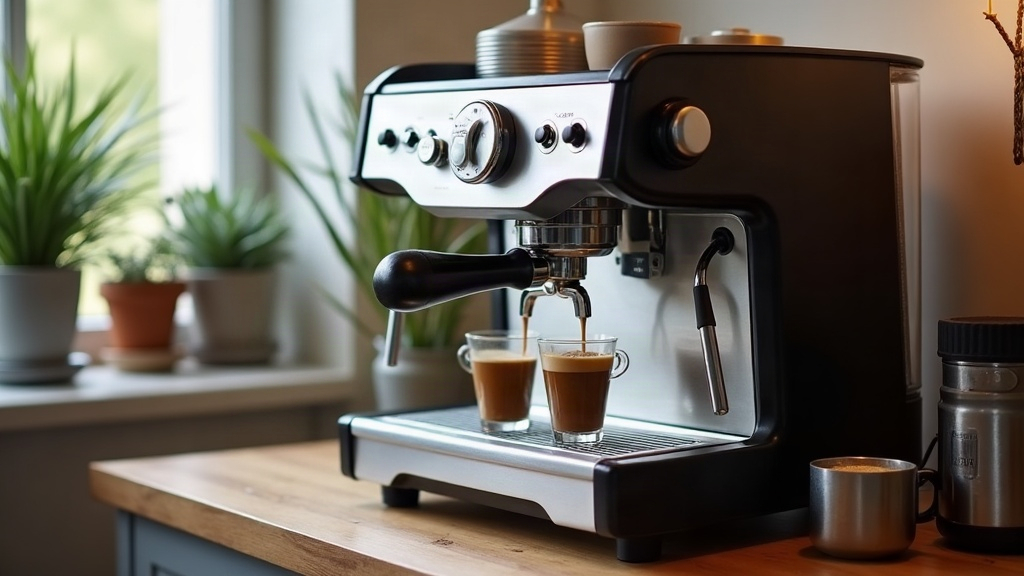
First Home Espresso Machine Setup Checklist for Renters with Limited Counter Space
You don’t need a kitchen remodel or six feet of open counter to set up your first home espresso machine in a rental. Pick the right gear, think through the layout, and use a few tricks that won’t upset your landlord, and you can run a fully working espresso station in about two square feet. No drilling, no plumbing work, no security deposit drama. Here’s exactly what to buy, where to put it, and how to keep the whole thing portable for your next move.
Why Small-Space Setups Fail (and How to Avoid It)
Three things trip up almost every first-time espresso buyer: they forget how much room a grinder actually takes up, they don’t check for an outlet near the machine, and they never account for how much space wet cleanup eats into. Sort these out before you buy anything, and you’ll skip the classic beginner mistake: a cramped, grounds-covered corner that nobody wants to touch after week one.
The Core Equipment Checklist
- Compact espresso machine — Go for a single-boiler or dual-use machine under 12 inches wide (think Breville Bambino, Gaggia Classic Pro, De’Longhi Dedica). Skip plumbed-in models entirely; as a renter you want a freestanding unit with a removable water tank you can fill at the sink.
- Space-saving grinder — A flat-burr grinder with a narrow base (Baratza Encore ESP, Eureka Mignon) sits much shallower than the tall conical models. And grind freshness honestly matters more than how expensive your machine is, so don’t cheap out here.
- Compact tamper and tamping mat — A silicone mat saves your countertop from scratches and doubles as a knockout pad when you’re done pulling a shot.
- Small digital scale — Look for one under an inch tall. It slides right under the portafilter and lies flat in a drawer the rest of the time.
- Microfiber cloth + small bin for coffee grounds — Keeps the mess contained to one spot instead of spreading across the counter.
Counter Layout: The “Work Triangle” for One Square Foot
Line things up left to right in this order (flip it if you’re left-handed):
- Grinder — closest to the wall outlet.
- Machine — in the middle, close enough that moving the portafilter from grinder to machine takes one step, not three.
- Cup and scale zone — right under the espresso spout.
This little triangle cuts down on wasted motion and keeps grounds from ending up on the other side of the kitchen.
Renter-Safe Setup Tips (No Damage, No Drilling)
- Use a slide-out tray or a narrow rolling cart rather than mounting anything to the wall. It tucks under a cabinet overhang when you’re not using it, which matters if your kitchen doubles as a hallway.
- Command hooks for your tamper and cleaning brush. Zero wall damage, and they peel right off at move-out.
- A water filter pitcher instead of a plumbed line. Solves hard-water buildup without any installation at all.
- Felt pads under the machine and grinder protect the counter and dampen vibration noise, which actually matters a lot in apartments with thin walls (your downstairs neighbor will thank you).
Power and Outlet Considerations
Most espresso machines pull somewhere between 1,100 and 1,500 watts. Before you run yours alongside a microwave or toaster on the same circuit, check the breaker. Tripped breakers are one of the most common rental-kitchen complaints, right up there with slow-draining sinks. If your only outlet is in an awkward spot, a short, heavy-duty extension cord rated for small appliances works as a safe backup.
Daily Cleanup Routine for Tiny Kitchens
- Wipe the group head right after each shot. In a warm kitchen, residue hardens fast, sometimes within the hour.
- Empty the drip tray daily. Compact machines have shallow trays, and they overflow faster than you’d expect.
- Keep milk frothing tools in one labeled container. Otherwise clutter creeps in within a week.
- Backflush weekly (if your machine supports it), not daily. Over-cleaning wears out gaskets faster than normal use does.
Moving-Day Portability
If there’s any chance you’ll move within a year or two, hang on to the original boxes for your machine and grinder. Factory packaging is still the safest way to transport them without cracking a boiler or bending a burr. Toss cords and accessories into one labeled bag so reassembly at the next place takes ten minutes, not a whole afternoon of searching for that one missing screw.
Conclusion
A solid first espresso setup really isn’t about square footage. It comes down to choosing compact, freestanding gear and organizing it into a tight workflow you can repeat every morning without thinking. Stick to this checklist: a narrow machine and grinder, a renter-safe layout with nothing permanently attached to anything, and a simple daily cleanup habit. Do that, and your tiny rental kitchen will out-produce plenty of “dream kitchen” setups, one well-pulled shot at a time.