How to Brew Decaf Specialty Coffee Without a Thin, Papery Finish
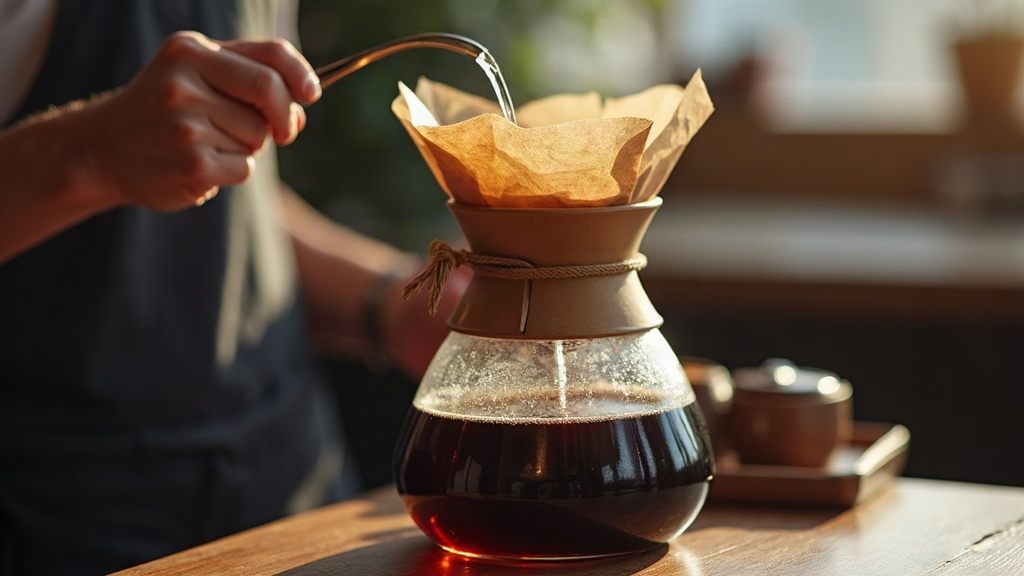
If your decaf tastes thin, flat, or papery, the bean usually isn’t the culprit. The real issue is almost always your brew ratio, water temperature, and grind size working against decaf’s naturally lower density. This guide walks through exactly how to adjust your technique so decaf specialty coffee comes out rich, round, and full-bodied instead of watery.
Why Decaf Tastes Thin in the First Place
Decaffeination changes the physical structure of a coffee bean. Whether it’s processed with the Swiss Water Method, CO2, or a solvent-based process, the bean loses some cell integrity and density along with its caffeine. Two things happen as a result:
- Faster extraction: Decaf beans release soluble compounds more quickly than regular beans. Run a standard brew time on them and you’ll pull out bitterness while leaving body behind.
- Lower mouthfeel: Decaf beans often carry slightly less oil and fewer melanoidins (the compounds responsible for body and sweetness). That’s exactly why a textbook pour-over recipe can come out hollow, even when you followed every step correctly.
Here’s the good part: both problems respond well to small, deliberate adjustments. Nothing drastic needed.
Fix #1: Use a Slightly Finer Grind
Because decaf extracts faster, a grind that’s too coarse leaves body-giving compounds sitting in the grounds, unused. Try moving one notch finer than you’d use for a washed, non-decaf coffee at a similar roast level. For pour-over, that usually means something closer to table-salt texture rather than coarse sand.
Quick test: Watery and sour? Go finer. Muddy and bitter? Back off a touch.
Fix #2: Increase Your Coffee-to-Water Ratio
Most recipes default to 1:16 or 1:17. For decaf, start tighter, around 1:14 or 1:15.
- Example: 20g coffee to 280–300g water (instead of 320–340g)
- This concentrates the soluble solids that build body, without tipping extraction into bitter territory
Of every fix on this list, this single ratio change solves “papery” decaf the most often. If you only try one thing, try this.
Fix #3: Brew Slightly Cooler
Decaf’s faster extraction means that high water temperatures (200–205°F / 93–96°C) strip out harsh, flat-tasting compounds early in the brew. Dropping to 195–200°F (90–93°C) slows things down just enough to protect sweetness and body.
Fix #4: Extend Bloom Time
Give decaf a longer bloom, 45 to 60 seconds instead of the usual 30. The decaffeination process tends to leave trapped CO2 distributed unevenly through the bean, so a longer bloom helps the grounds saturate more uniformly. That alone improves texture and cuts down on the flat taste.
Fix #5: Choose the Right Brew Method
Some methods flatter decaf more naturally than others:
- French press: Full immersion plus a metal filter means oils and fine particulates stay in the cup, which boosts body noticeably. If pour-over has been frustrating you, start here instead.
- AeroPress (inverted method): Gives you tight control over steep time, so you can dial in strength with precision.
- Pour-over (V60, Kalita): Works fine once ratio and grind are dialed in, but it’s the least forgiving method if you’re new to decaf.
- Skip double-stacked paper filters. They’re too thin and strip away oils decaf can’t afford to lose.
Fix #6: Pick a Decaf Processed for Flavor Retention
Not all decaf is created equal. The Swiss Water Process and CO2 process hold on to more of the bean’s original character and density than the older solvent-based methods. When you’re shopping, look for roasters who actually list:
- Origin and processing method of the decaf (something like “Colombia, Swiss Water Decaf”)
- A roast date within the last 2–4 weeks. Decaf goes stale faster than regular coffee, thanks to its more porous structure
A Sample Recipe to Start With
Pour-over, V60, medium roast Swiss Water decaf:
- 22g coffee, 320g water (1:14.5 ratio)
- Grind: medium-fine
- Water temp: 198°F (92°C)
- Bloom: 50g water, 45-second bloom
- Pour remaining water in 2–3 slow pulses over a 2:45–3:00 total brew time
Taste it, then adjust. Too thin? Grind finer next round. Bitter? Pull the water temp back 2–3 degrees.
Common Mistakes to Avoid
- Brewing stale decaf: It amplifies papery notes more than any grind or ratio tweak can fix.
- Copying your regular coffee recipe exactly: Decaf needs its own dial-in, not a borrowed one.
- Over-filtering: Skip the double-filter trick some people use for naturals. It strips away body that decaf simply doesn’t have to spare.
Conclusion
A thin, papery cup isn’t a flaw baked into decaf itself. It’s usually a mismatch, brewing parameters built for regular coffee applied to beans that extract faster and carry less density. Tighten your ratio, grind a bit finer, brew slightly cooler, and stretch out your bloom. Do that, and you’ll end up with a decaf that’s just as rich and satisfying as any caffeinated specialty cup on the shelf.